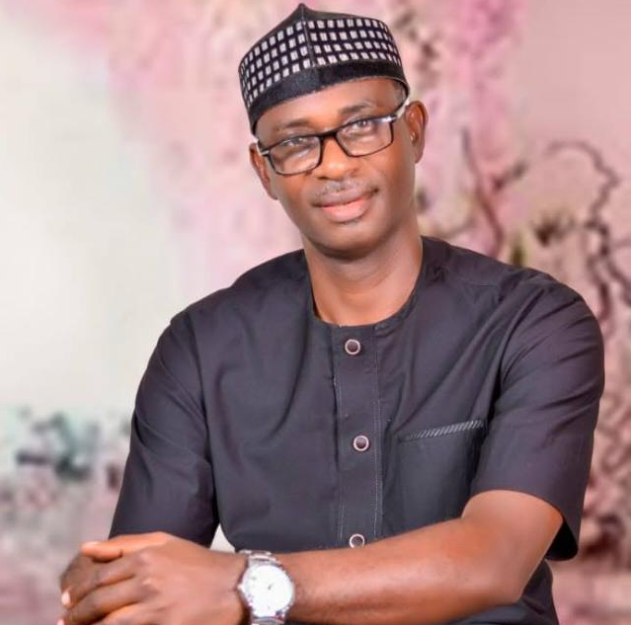

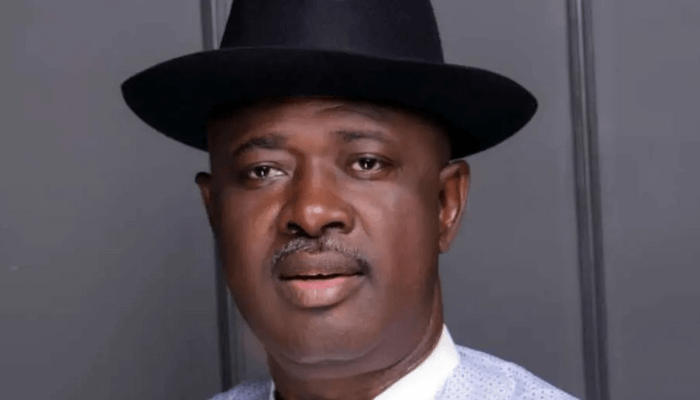
Heineken Lokpobiri, Nigeria’s Minister of Petroleum Resources (oil) has announced that the Africa Energy Bank was ready to take off, with the completion of the facility dedicated for its use.
Nigeria, in July 2024 was declared winner of the hosting right for the establishment of the bank’s headquarters after it competed with Ghana, Algeria, South Africa, and Benin Republic.
The $5 billion Africa Energy Bank was set up to not only address the financial needs of the energy sector in the continent, but also provide a platform for mobilizing investments in oil and gas projects, which are vital for Africa’s economic growth and development.
The minister who inspected the Bank’s facility in Abuja on Thursday said that with the completion of the facility, Nigeria have met its obligation as a host country.
“I came to inspect the headquarters furnishing of the Africa Energy Bank and I’m happy to disclose to the world and Nigerians and Africans that Nigeria has delivered on all the obligations made for us to fulfill as host country.
“The headquarters is ready, tastefully furnished in the best location and so we’re ready for the bank to take off. So we’re waiting for, APPO and African Bank that are the drivers of this process to facilitate the takeoff of the bank. What Nigerians, and the world need to know today is that as a host country we have met all our obligations and the building is ready. The bank is ready to go.”
Omar Farouk Ibrahim, the Secretary General of African Petroleum Producers Organization (APPO) has earlier explained that the Bank would be operated under three classes of shareholders with APPO and Afrexim occupying the priority shareholder position.
Ibrahim had explained that the organization will not sacrifice the objectives of setting up the Bank for any form of investments. He stressed that the decision to avoid such investments is driven by the need for Africa to be able to control the activities of the bank for the purpose for which we set it up.
This is as he emphasized that African countries have continued to rely on international funding, neglecting the possibilities of generating funds locally.
According to him, after conducting a study on the future of the oil and gas industry in Africa in the light of the energy transition, the organisation discovered the oil and gas industry in Africa faces three imminent challenges, such as funding, technology, and the challenge of markets.
“There is the challenge of funding, because in the last 70 to 100 years that Africa has been producing oil and gas, we have failed to raise the capital necessary to control that industry and we have relied heavily on outside forces, outside resources. We have been made to believe that we don’t have the money to invest, but it’s not true. The second is technology. Again, for the 70 to 100 years that we’ve been doing this, we have failed to be able to domesticate, take control of the oil and gas industry.
“Even when IOCs come to Africa to do business, their research and innovation centers are in their home countries. As for markets, we are told that we are too poor to buy energy, so the infrastructure to make energy go around is not even there. If you go to every African country that produces oil and gas, the pipelines run from the fields to the seaports to be exported,” he said.