

An unprecedented 400 million barrels of stockpiled oil will be released into the market by 32 countries, including Japan, the International Energy Agency said Wednesday, as the war in the Middle East threatens supply and rattles markets.
Investors remain unconvinced by the move.
“The oil market challenges we are facing are unprecedented in scale, therefore I am very glad that IEA Member countries have responded with an emergency collective action of unprecedented size,” IEA Executive Director Fatih Birol said in a statement.
“Oil markets are global, so the response to major disruptions needs to be global too.”
Global crude oil consumption is estimated at over 100 million barrels per day. The 400 million barrels announced by the IEA are about four days of demand.
Hours before the IEA announcement, Prime Minister Sanae Takaichi said Japan will release oil from reserves equivalent to 45 days of domestic demand — the largest ever — as soon as Monday. This includes privately held reserves equivalent to 15 days of demand.
The oil will be delivered to domestic refineries as quickly as possible, she said.
Japan will release an estimated 80 million barrels, according to the Ministry of Economy, Trade and Industry. While the implementation details have yet to be determined, Japan will likely treat the release it announced as its contribution to the coordinated intervention, a ministry official said.
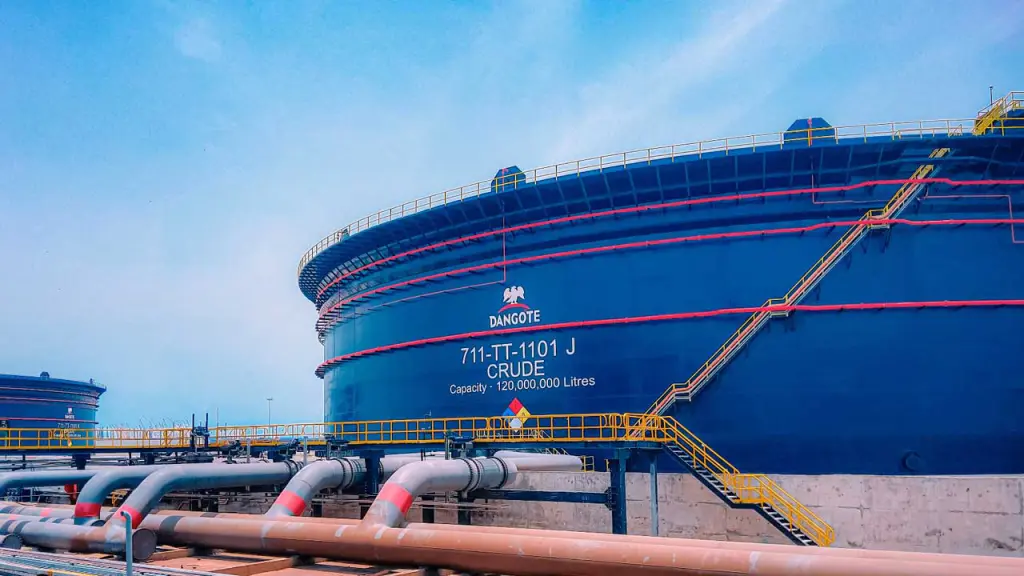
Japan holds stockpiled oil equivalent to about 254 days of domestic demand — including 146 days in national reserves, 101 days in mandatory private stockpiles and seven days under a reserve program with oil-producing countries.
IEA member countries have a total of 1.8 billion barrels in emergency stockpiles, including 1.2 billion in national reserves and 600 million in mandatory private reserves.
The United States will be releasing 172 million barrels from its Strategic Petroleum Reserve, over about 120 days, as its contribution to the coordinated intervention. South Korea will release 22.46 million barrels from its reserves.
The coordinated release announced by the IEA will be the sixth ever. Japan participated in past coordinated releases primarily using stockpiles held in private reserves, except after Russia’s invasion of Ukraine in 2022, when it tapped its national reserves for the first time to meet the IEA’s request.
“Japan recognizes this decision as one that will contribute to stabilizing international markets,” Chief Cabinet Secretary Minoru Kihara said of the IEA’s decision on Thursday. “We welcome it and hope to help support stability in the global energy market as well.”
Oil prices have been volatile since U.S. and Israeli forces attacked Iran on Feb. 28 in a massive assault that killed Ayatollah Ali Khamenei, who had been Iran’s supreme leader for nearly four decades.
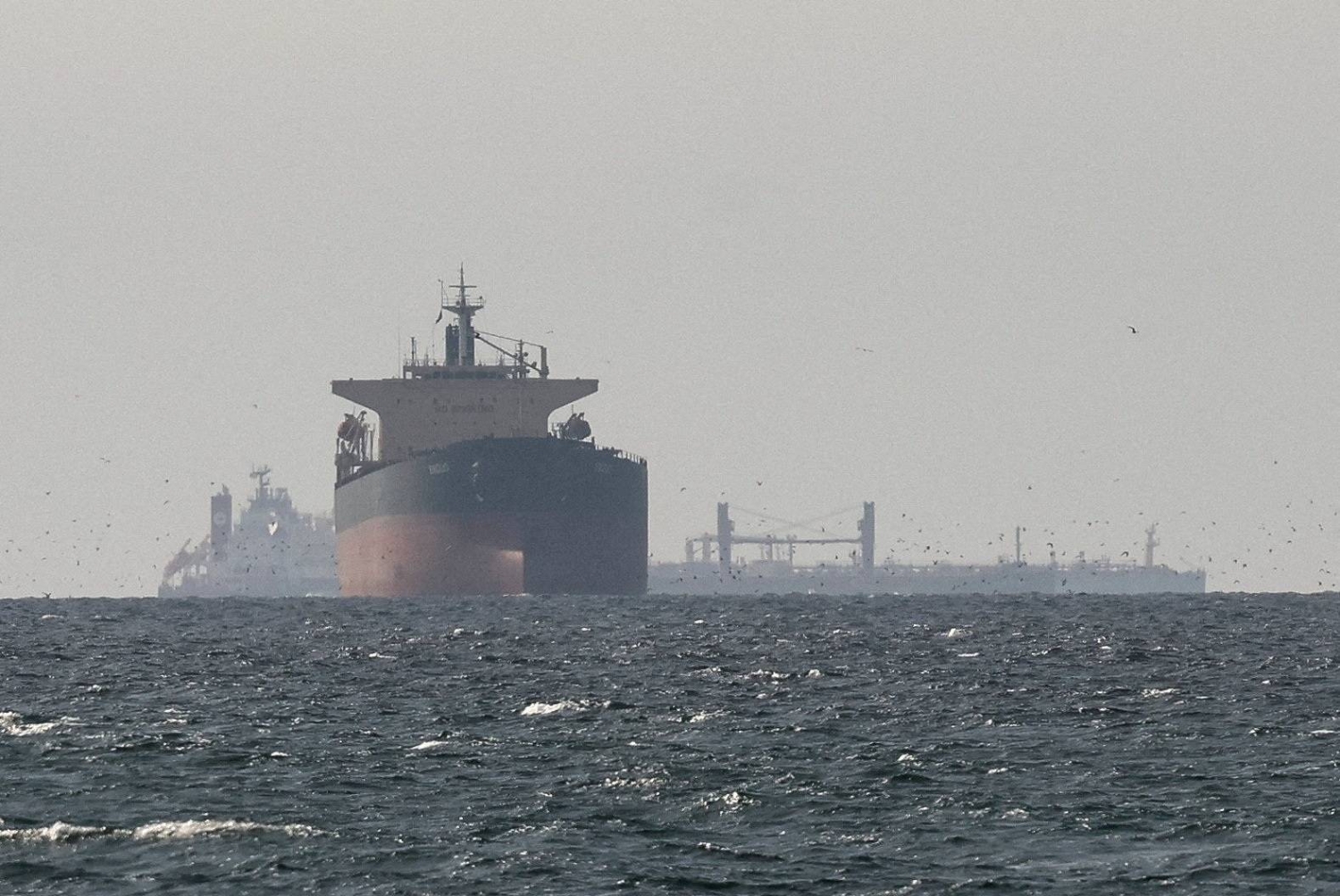
The attacks triggered retaliatory strikes around the region and disrupted shipping in the Strait of Hormuz. More than 70% of Japan-bound oil shipments pass through the chokepoint.
Since crude oil tankers are effectively unable to pass through the strait, Japan’s crude oil imports are expected to decline significantly from late this month, Takaichi said Wednesday.
The government will also reinstate subsidies that will effectively cap gasoline prices at around ¥170 per liter, the prime minister said. Similar steps will also be taken to contain diesel fuel, heavy oil and kerosene prices.
Oil prices surged earlier this week, with Brent crude rising to nearly $120 per barrel before retreating. It was trading at about $87.50 on Wednesday. The average price of gasoline in Japan rose to ¥161.8 per liter on Monday, the first time in three months it broke ¥160.