


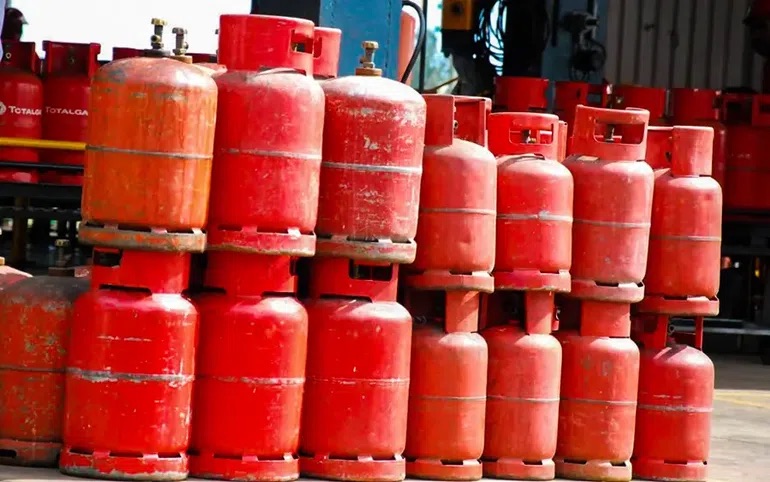
Cooking gas depot prices rose by as much as 16% in four days, between October 30 and November 2, 2026, according to market data on wholesale LPG loading rates.
The increases hit major Lagos suppliers including Navgas, NIPCO, Rain Oil, Techno Oil and 11Plc. Dangote Petroleum Refinery remains the cheapest major supplier at ₦1,050 per kilogram.
The figures were published on November 3 by Petroleumprice.ng. Higher wholesale costs could push a 12.5kg refill toward ₦20,000 at retail level, even as cooking gas supply into the domestic market keeps improving.
Dangote Refinery’s latest loading price is ₦1,050 per kilogram, a ₦25 increase from its earlier rate of ₦1,025. At that price, 12.5kg of cooking gas costs ₦13,125 at the wholesale level, before transportation, distribution expenses and retailers’ margins.
The refinery’s rate is ₦400 per kilogram below Navgas, showing how wide the gap between suppliers has become.
Navgas recorded the steepest increase, climbing from ₦1,250 to ₦1,450 per kilogram, a 16% jump. NIPCO Lagos and 11Plc both moved to ₦1,390 per kilogram, an increase of ₦165 or about 13.47%. Rain Oil and Techno Oil rose to ₦1,370 per kilogram, up ₦170 or 14.17%.
The full list of wholesale LPG prices published on November 3:
Dangote Refinery: ₦1,050 per kg, up ₦25
Navgas: ₦1,450 per kg, up ₦200
NIPCO Lagos: ₦1,390 per kg, up ₦165
11Plc: ₦1,390 per kg, up ₦165
Rain Oil: ₦1,370 per kg, up ₦170
Techno Oil: ₦1,370 per kg, up ₦170
The wholesale increases are likely to feed into retail prices as distributors adjust their selling rates. At ₦1,400 per kilogram retail, households would pay about ₦7,000 for 5kg, ₦8,400 for 6kg and ₦17,500 for a 12.5kg cylinder. If retail prices reach ₦1,600 per kilogram, a 12.5kg refill would cost ₦20,000.
These are illustrative calculations, not verified nationwide retail quotations.
The increases come despite better domestic supply. The Nigerian Midstream and Downstream Petroleum Regulatory Authority said daily cooking gas supply reached approximately 4.5 million litres in September 2026, a 17.78% year-on-year increase.
Consumption also climbed 8% to 5.2 kilotonnes daily in September, from 4.8 kilotonnes in August.
Transportation expenses, distribution challenges, exchange-rate movements and international market conditions continue to drive prices.
Industry stakeholders say stronger local production must come with better distribution infrastructure before households feel sustained relief.
The Nigerian Association of Liquefied Petroleum Gas Marketers had projected prices could fall to between ₦900 and ₦1,100 per kilogram by the end of 2026 if supply improves and market reforms cut costs. The latest depot increases make that target look uncertain.
For Nigerian households, cooking gas is now a bigger line in the monthly budget. A 12.5kg cylinder at ₦20,000 would take a heavy bite out of a minimum wage earner’s pay.
For small food vendors and restaurants that depend on LPG, the cost squeeze feeds directly into food prices. The wide gap between Dangote’s ₦1,050 and the market’s ₦1,370 to ₦1,450 also suggests that depots, not the refinery, are where the pressure builds.