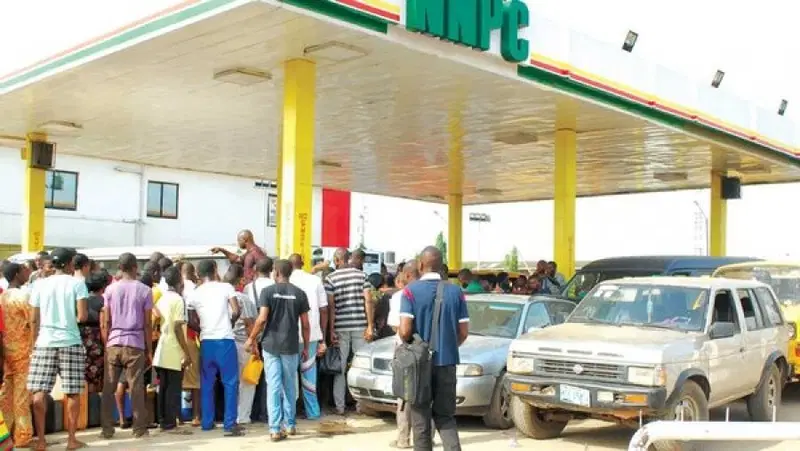


The Federal Government is courting investors for the next phase of Nigeria’s power sector reform, with accelerated metering and enhanced gas supply at the centre of efforts to turn existing assets into electricity delivered and paid for.
The position was set out at the NAEC Energy Conference 2026 in Lagos, organised by the Association of Energy Correspondents of Nigeria under the theme “Access to Assets: Empowering Players and Driving Growth.”
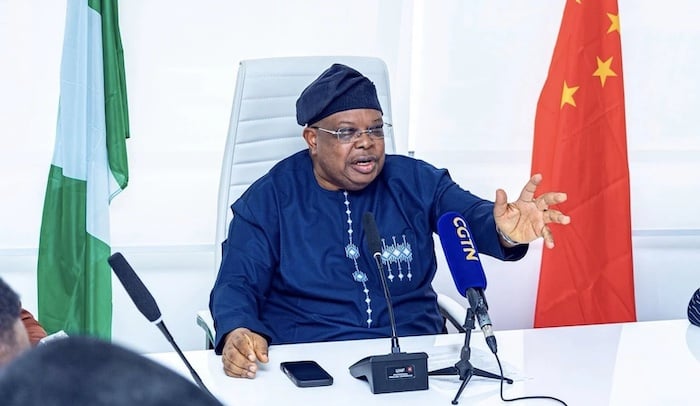
In a remarks delivered on his behalf by the Ministry’s Acting Director of Press, Clement Ezeorah, the Minister of Power, Joseph Tegbe, said the value of an energy asset is fully realised only when it delivers useful energy to a paying customer. He cautioned that every proposed intervention should be tested against the binding constraint, whether fuel, plant condition, transmission, distribution or payment, since adding capacity where the problem lies elsewhere “will tie up capital without improving the customer’s experience.”
The Minister described a market that now operates on two levels: a federal market covering interstate and international trade and the national transmission system, alongside state-regulated markets under the Electricity Act 2023. Within that structure, large grid-connected plants coexist with embedded generation, dedicated supply to eligible customers, captive power and mini-grids.
For investors, he identified four entry points: restoring dependable output from existing plants through rehabilitation and reliable gas supply; serving industrial estates, ports and agro-processing clusters with credible offtake; modernising distribution through feeders, transformers, substations and meters; and expanding distributed energy for productive uses such as irrigation, refrigeration and small manufacturing.
He also invited gas producers to partner with developers and industrial users on integrated gas-to-power projects.
The commercial case was framed broadly. Prospective asset buyers, the Minister said, should weigh not only the return on a single field or facility but also the economic activity that dependable power unlocks across manufacturing, logistics and services.
The Ministry, he added, will pursue partnerships with clear responsibilities, realistic milestones and measurable service outcomes.
On a panel discussion at the conference, the Minister’s representative outlined how government intends to enforce accountability along the value chain.
By tracking gas into generation, electricity through the grid and payments through the market, he said, authorities aim to reduce Aggregate Technical, Commercial and Collection losses.
He disclosed that about 350,000 meters were rolled out in the last three months, which will let consumers see actual consumption instead of estimated bills.
He acknowledged that collection efficiency and liquidity remain constraints in distribution, with some legacy debts dating to the 2013 privatisation, and said government is working to resolve them.
A performance dashboard is also being introduced so stakeholders can assess service delivery.
The Minister’s representative added that embedded and decentralised generation should complement the national grid rather than replace it, because Nigeria will still need a functional interconnected grid as demand rises.
He named vandalism as a drag on expansion, with funds that could extend transmission lines being diverted to replace damaged equipment, and said a public advocacy effort is under way to help communities understand that damage to infrastructure ultimately cuts their own supply.